How NHL Starting Goalies Get Confirmed on Game Day
Analysis
Confirmed, expected or unconfirmed: what each label on our NHL starting goalie board means, and the game-day steps that move a goalie from one to the next.
Last updated
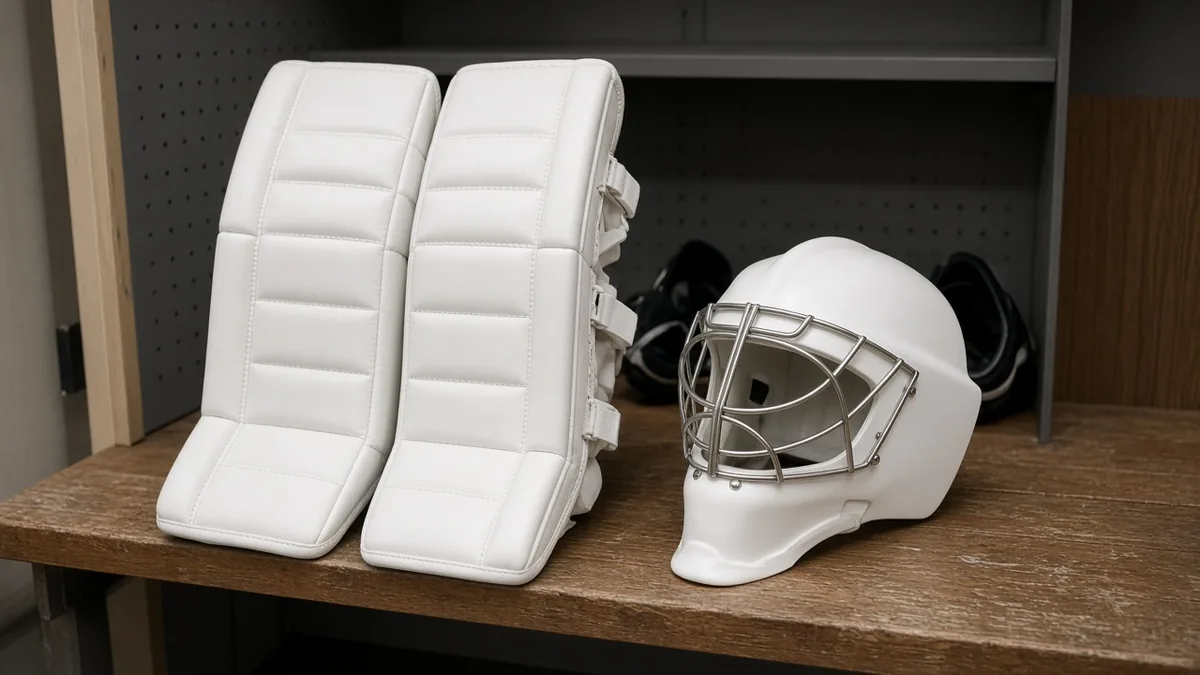
Every NHL team dresses two goalies for a game. Rule 5.1 of the official NHL rulebook says a team is made up of 20 players, 18 skaters and two goalkeepers. Rule 5.3 says only one goalie is on the ice at a time, and the other must be on or beside the bench, fully equipped and ready to play. So on any game night, the question is not whether a team has a goalie. It is which of the two starts.
This desk sorts every answer into three labels on the NHL starting goalie board. These are our labels, not league terms.
Confirmed
A goalie is confirmed when the team, the league, or a reporter at the rink says he starts, or when the box score shows he did. Coaches often name the starter after the morning skate. Some teams post it on their own channels. When that word is public, the board says so and links where it came from.
Expected
Expected is a projection. The most common basis is a morning-skate note, such as a goalie being first off the ice, which beat reporters often read as a hint about the start. It is a strong signal but not an announcement, and coaches can and do change plans. Our morning skate explainer covers how to read it.
Unconfirmed
Unconfirmed means we do not yet have a public word either way. It is not a guess that the backup will play.
The last checkpoint before puck drop
The rulebook sets one more fixed point. Under Rule 5.1, the visiting team submits its list of eligible players within five minutes of the end of warm-up, which is 20 minutes before face-off, and no change is allowed after the game starts. By warm-up, the goalie leading his team out is usually visible to everyone in the building.
Back-to-backs add a wrinkle, because the second night is a separate decision. Our back-to-back explainer walks through recent examples. Nothing here is betting advice.